Whistlejacket Pegmatite Project
Overview
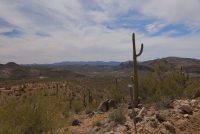
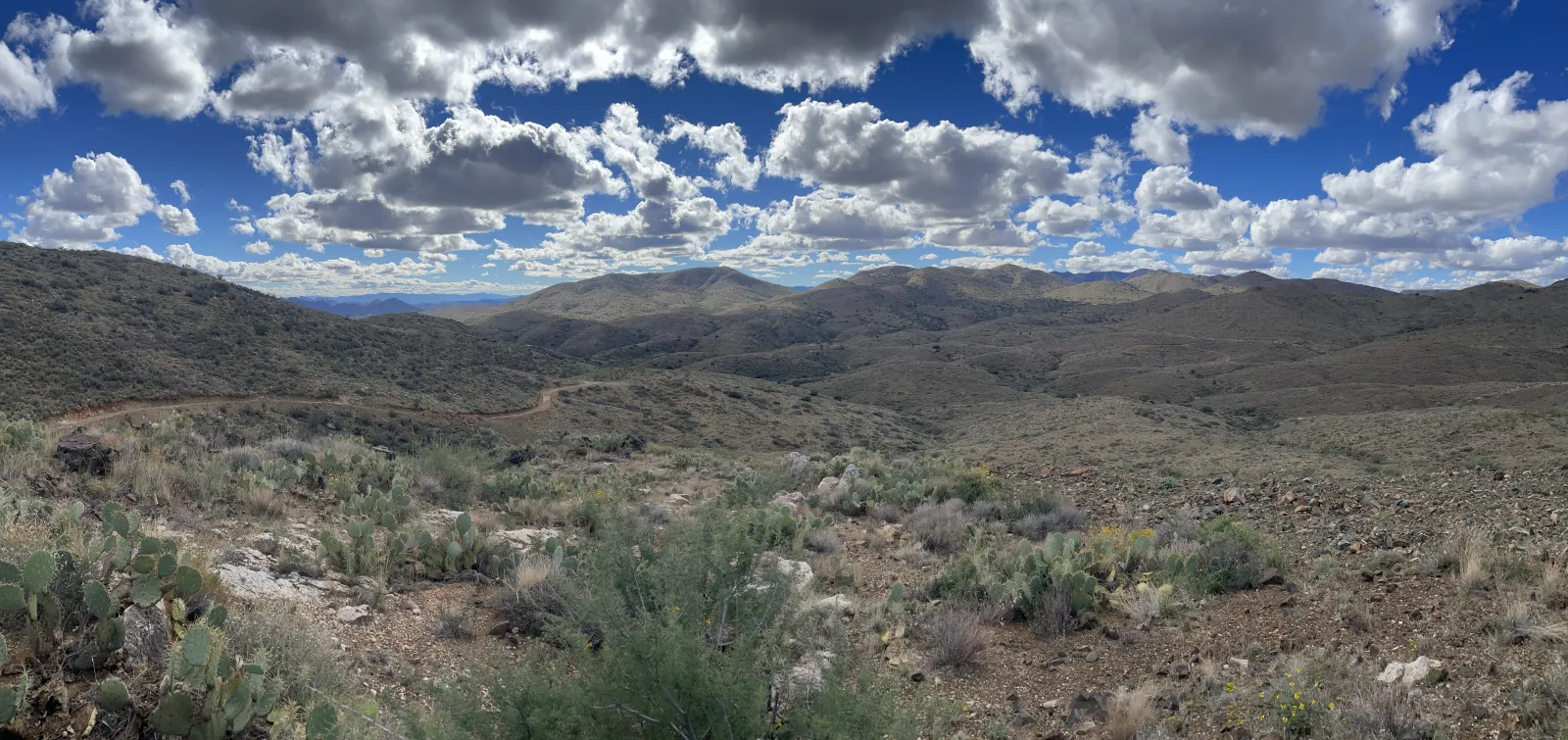
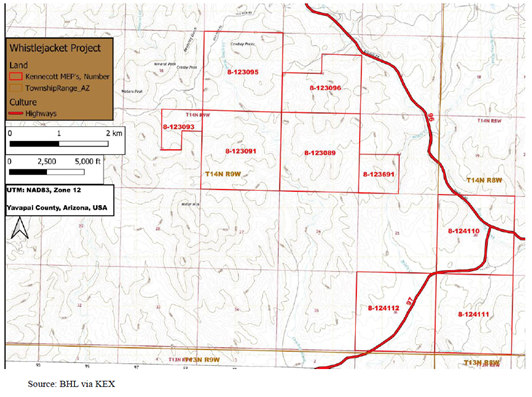
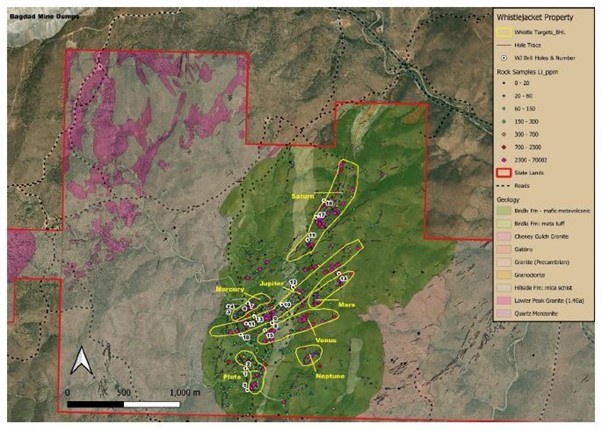
Whistlejacket lithium project is located in Yavapai County, Arizona, with the property comprising of 9 Arizona State Mineral Exploration Permits (“ASMEP” or “MEP”) covering an area of 4,486.07 acres (1,815.49 ha). It is located immediately south of the town of Bagdad, the site of the Bagdad copper mine owned by Freeport Copper Corporation. Access is via US Highway 93 from Wickenburg and then State Highways 97 and 96.
Project Highlights
On 20 February 2026, Bradda Head entered into an Option to Joint Venture with Kennecott Exploration Inc.- part of the Rio Tinto Mining Group of Companies ("KEX") which sets out the agreed commercial terms with which the Company will earn-in to the Whistlejacket Project. Under the terms of the Agreement, Bradda Head can acquire up to a 60% legal and beneficial interest in the Whistlejacket project in Arizona, USA in phases based on agreed earn-in amounts as set out below.
Work Completed by KEX to date includes:
- Drilled 19 holes for a total of 4,188 meters have encountered spodumene mineralization
- Highlights from excellent drill hole intercepts are 19.47 meters at 1.65% Li2O in hole WSTL0008 and with 41 meters at 1.22% Li2O in hole WSTL0009
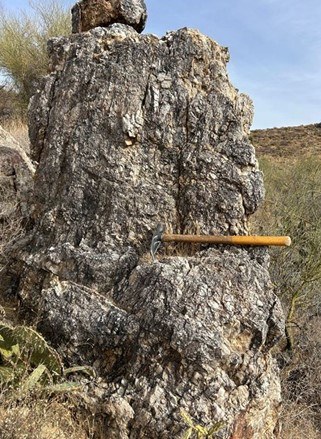
- There are many pegmatites on the property that have never been drilled and contain an abundance of spodumene and high lithium values, highlighting the opportunity for the Company
- The spodumene is mostly medium to coarse grained, an excellent characteristic of simple processing
- The project has an excellent dataset that includes surface mapping, geochemical sampling, airborne geophysics, and collected high resolution air photographs over much of the property
- Excellent access, proximity to pavement, and the pro-mining town of Bagdad
- Simple ASLD land to manage, explore, and potentially mine
- The geology of the pegmatites is classic LCT style with anomalous cesium and tantalum


KEX Earn In Agreement
Phase 1 Expenditure Requirements, Schedule and Project Milestones
Bradda Head will initiate Phase 1 exploration over a 3-year period with annual expenditures of:
- US$ 0.75 million (guaranteed expenditure) in year 1, focused on exploration;
- US$ 2.0 million in year 2 on exploration, studies and permitting; and
- US$ 2.75 million in year 3 on exploration, studies and permitting
for a total of US$ 5.5 million, which earns BHL a 51% in the Project and 49% ownership with KEX and an option to form a joint venture
Within 90 days of completion of Phase 1, KEX will have the ability to buy back the interests in the Project from the Company. The acquisition consideration would be 2.5 times the documented expenditures by the Company to earn its interests in the Project.
In the event that KEX does not exercise its right to buy back the interests in the Project from the Company, BHL may then choose to proceed to Phase 2 or otherwise for an incorporated joint venture to be formed with it as the 51% shareholder.
Option to Proceed to Phase 2
Within 30 days of completion of Phase 1, BHL has the option to proceed to Phase 2 or can remain at 51%. If proceeding to Phase 2 it may earn into an additional 9% interest in the Project, on the following terms:
- Phase 2, Year 4, expenditures of US$ 3.75 million in exploration, studies, and permitting
- Phase 2, Year 5, expenditures of US$ 3.75 million in exploration, studies, and permitting
- Phase 2, Year 6, expenditures of US$ 4.50 million in exploration, studies, and permitting
At the conclusion of Phase 2, cumulative expenditures in Phase 1 and 2 are expected to meet or exceed US$ 17 million, with Phase 2 expenditure giving BHL an additional 9% ownership and interest and bringing total ownership to 60%, with KEX owning the remaining 40% in the Whistlejacket Project. Formation of a joint venture between BHL and KEX to immediately follow completion of Phase 2. Within 90 days of completion of Phase 2, KEX will have the ability to buy back the interests in the Project from the Company. The acquisition consideration would be 3x the documented expenditures by the Company to earn its interests in the Project.
Additional details of the Option to Joint Venture and Earn-In can be found in the Shareholder Circular - Shareholder Documents

Next Steps
Phase 1 programme will consist of:
- Detailed geological mapping & Surface sampling: Detailed geological mapping is planned across the project area, with emphasis on the principal targets and verification of previously undocumented spodumene-bearing pegmatites, many of which lack historical sampling. Approximately 300 surface samples are proposed across these areas, as well as in zones where earlier programs did not achieve sufficient sampling density to adequately assess prospectivity. The program is designed to refine drill targeting and support the identification of additional potentially mineralized bodies.
- Diamond drilling: A drilling program comprising 24 drill holes (approximately 11,500 feet) has been designed across the project area. Of these, 11 drill holes are planned within the principal target area with the objective of supporting a potential Mineral Resource estimate, while the remaining holes will test secondary targets considered prospective for upgrade to higher-priority status. Drilling will be executed following a defined target sequence.
Channel sampling: A program of channel sampling is planned across multiple targets, prioritizing areas where pegmatites are exposed at surface and supported by drilling. The work is intended to generate representative geological and analytical data to support future Mineral Resource estimation and to better constrain the lateral and vertical extent of the mineralized pegmatite bodies.


Our Projects
Arizona
Sedimentary projects:
Basin and Wikieup Sedimentary Lithium projects
Our Projects
Arizona
Pegmatite projects:
San Domingo Lithium Pegmatite district
Our Projects
Nevada
Brine projects:
Wilson and Eureka Lithium Brine projects